
The Allure of Casino Culture
Casino culture captivates many through its blend of excitement, risk, and social engagement. The atmosphere of a casino is designed to entice individuals to explore their boundaries, offering them a chance to win big while surrounded by opulent décor and vibrant entertainment. For those looking for entertainment options, a trusted online casino canada can provide a similar thrill while allowing players to engage in a virtual environment. This allure is not just about the potential for financial gain; it also taps into deeper psychological desires for thrill and connection with others.
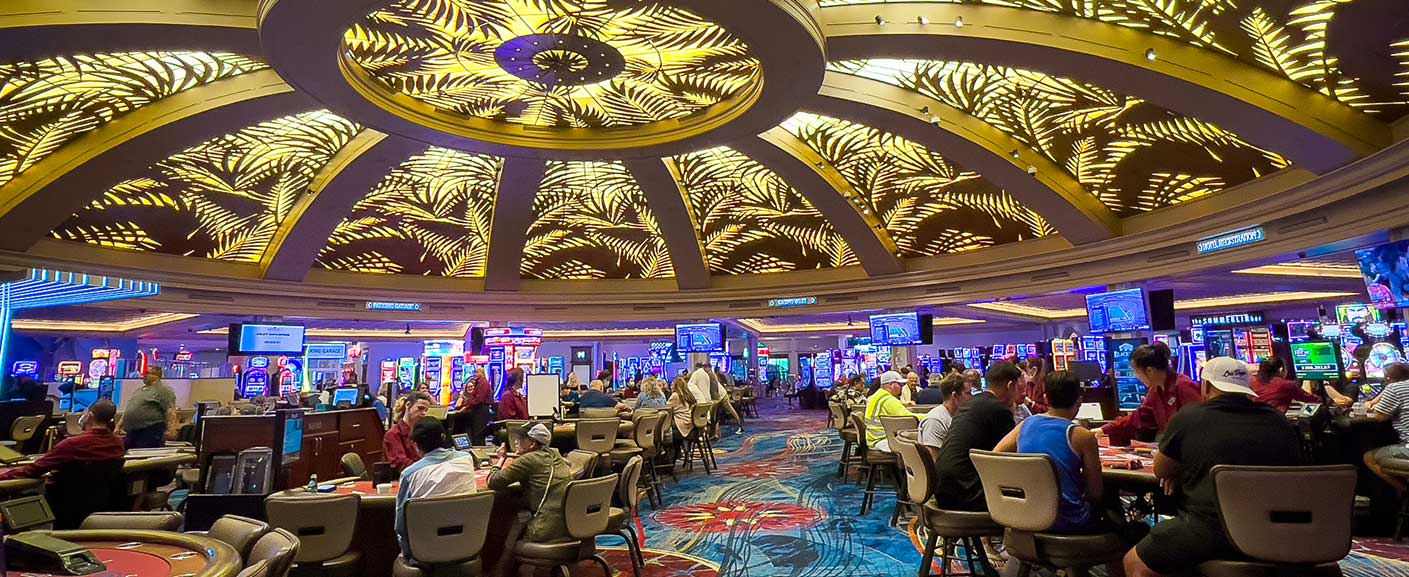
The experience of being in a casino often promotes a sense of community among players. People from diverse backgrounds gather in pursuit of shared enjoyment, creating a unique social fabric. This culture fosters interactions that might not occur in other settings, highlighting the role of casinos as social hubs where relationships can flourish amidst the games.
The Economic Impact of Casinos
Casinos contribute significantly to local economies, generating substantial revenue through employment opportunities and tourism. The establishment of a casino often leads to the growth of businesses in the surrounding area, such as hotels, restaurants, and entertainment venues. This economic ripple effect can transform a community, creating jobs and boosting local businesses.
Moreover, the tax revenues generated from casinos can be channeled into public services, infrastructure, and community development. However, it is crucial to balance these economic benefits with the potential social costs, as the impact of gambling can lead to addiction and other societal issues that need to be addressed responsibly.
Cultural Representation and Media Influence
The depiction of casinos in movies, television, and literature has played a significant role in shaping public perception of gambling and casino culture. Films like “Casino” and “Ocean’s Eleven” romanticize the high-stakes world of gambling, often glorifying the lifestyle associated with it. These portrayals can influence societal attitudes, making gambling appear glamorous and enticing.
Conversely, such representations can also present a skewed understanding of the dangers of gambling. They may downplay the potential negative consequences, such as addiction or financial ruin, leading individuals to underestimate the risks involved. This duality highlights the importance of media literacy and the need for responsible narratives surrounding gambling and its implications for society.
Social Issues Surrounding Gambling
While casino culture can foster social interaction, it is also linked to a range of social issues, including gambling addiction and related mental health problems. For some individuals, the thrill of gambling can escalate into dependency, leading to significant personal and familial challenges. Addressing these issues requires a community-focused approach that combines support systems with public awareness campaigns.
Additionally, the stigma associated with problem gambling can hinder individuals from seeking help. It is vital for society to create open dialogues about these challenges, promoting understanding and supporting those affected by gambling addiction. Initiatives aimed at educating the public about responsible gambling practices can play a crucial role in mitigating these risks.

Water Governance Insights and Their Relevance to Casino Culture
While Watergovernance.ca primarily focuses on water governance issues, examining the intersection of casino culture and environmental sustainability can provide valuable insights. The operation of casinos often requires significant water resources, particularly in areas where they feature lush landscaping or aquatic attractions. Sustainable water use in casino operations is essential for minimizing their ecological footprint.
Furthermore, the collaboration and discussion facilitated by platforms like Watergovernance.ca can enlighten stakeholders about best practices in resource management, promoting a holistic approach to governance that encompasses economic activities like casinos. This integrated perspective can lead to more sustainable practices within the casino industry, ensuring that its cultural and economic contributions do not come at the expense of environmental health.